

 Vn
 Us
Price Blance Dashboard is a market analysis indicator system updated weekly (W), helping traders visualize market sentiment, internal money flow, and price balance condition for the Vietnam stock market.
VNINDEX
VN-Index
Detecting…
Evaluated by MSQ, MQF, and AS.
Quick Overview
Select a symbol to view sentiment, internal force, momentum, and price balance based on the PriceBlance indicator set.
Qimen Flow Indicator
Evaluates market condition through structural Qi and sentiment, measuring trend strength, market emotion, and hidden momentum.

0
Market Sentiment Qimen
ℹ️
(MSQ) Sentiment indicator reflecting the collective expectation of the market.
0
Qi Flow Strength
ℹ️
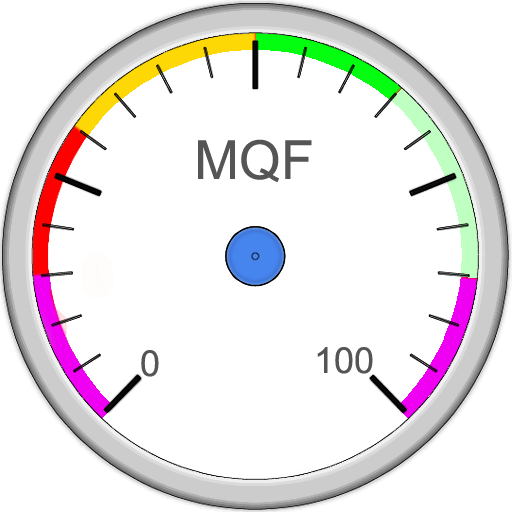
(MQF) Internal money flow force, reflecting the internal movement energy related to price fluctuation.
0
Action Strength
ℹ️
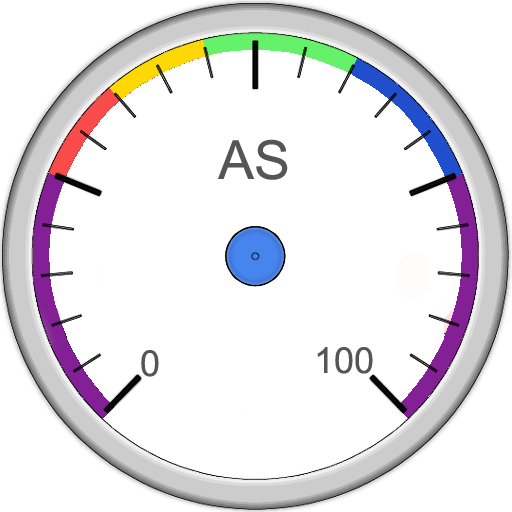
(AS) Price action intensity, reflecting the strength of price behavior trend on the scale.
Stochastic Price Balance Indicator
Identifies whether the market is balanced or imbalanced, evaluating price location and balance structure across medium-term and long-term horizons.
0
PB
ℹ️
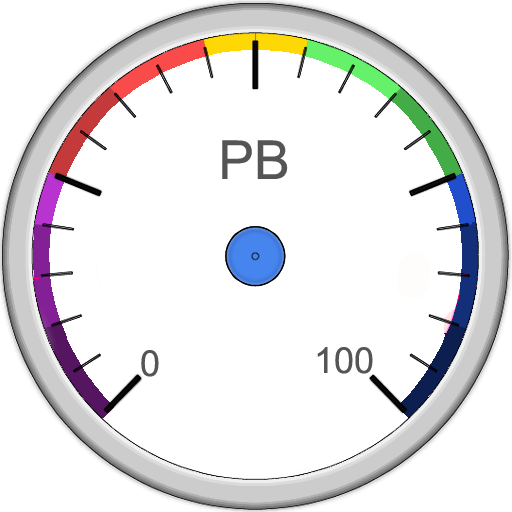
Stochastic PriceBlance, reflecting the overall price balance condition on the scale.
0
Med PA
ℹ️
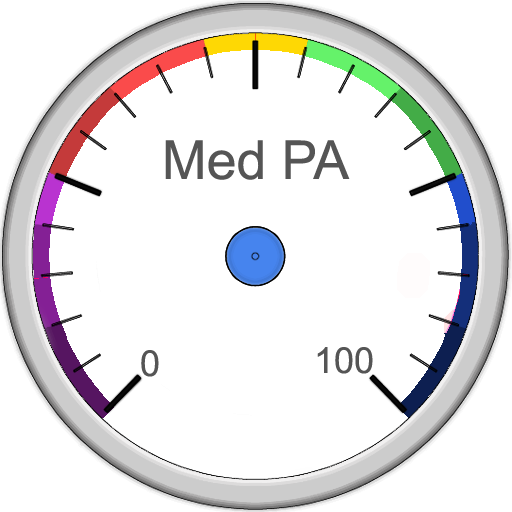
(Medium-term Price Avg) Medium-term balanced average price. PB > MTPA: medium-term bullish bias. PB < MTPA: medium-term bearish bias.
0
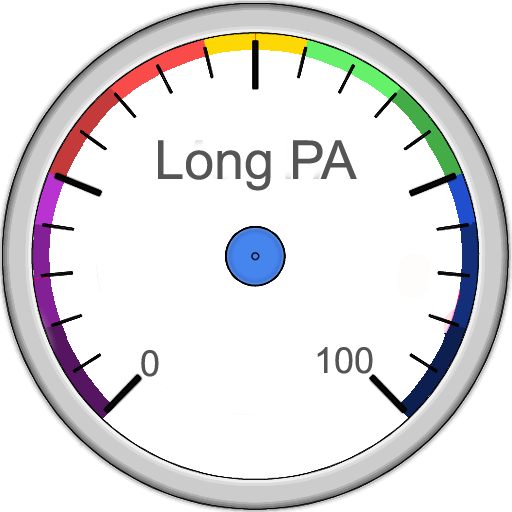
Long PA
ℹ️
(Long-term Price Avg) Long-term balanced average price. PB > LTPA: long-term bullish bias. PB < LTPA: long-term bearish bias.